
If you are choosing a CCTV system for your home, one of the biggest decisions is where your footage gets stored. Do you want local recording, cloud CCTV, or a mix of both?
It sounds technical, but for most homeowners it comes down to three things: cost, reliability, and control.
At The Real Smart Home, our view is simple: for most UK homes, local recording is usually the better foundation. It often gives you better long-term value, more control over your footage, and avoids adding monthly fees across multiple cameras.
Cloud CCTV can still be useful, especially for off-site backup, remote clip access, and front door cameras. In many cases, a hybrid setup is the smartest option.
Further Reading: You may also want to check our Smart Home Security for a Family: A UK Parent’s Guide (2026) post, where we discussed about the importance of the family’s peace of mind regarding house security.
What is Local Recording in CCTV?
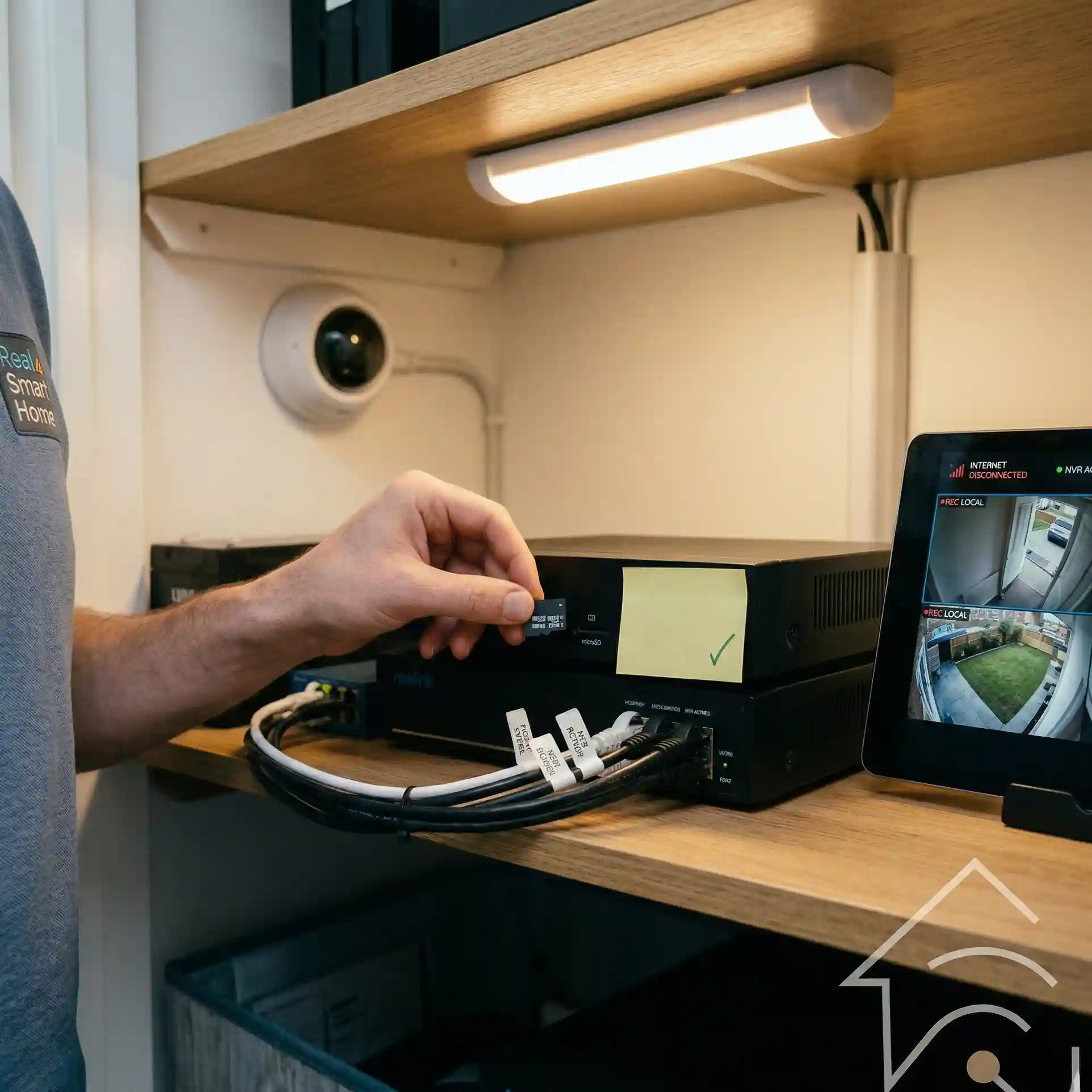
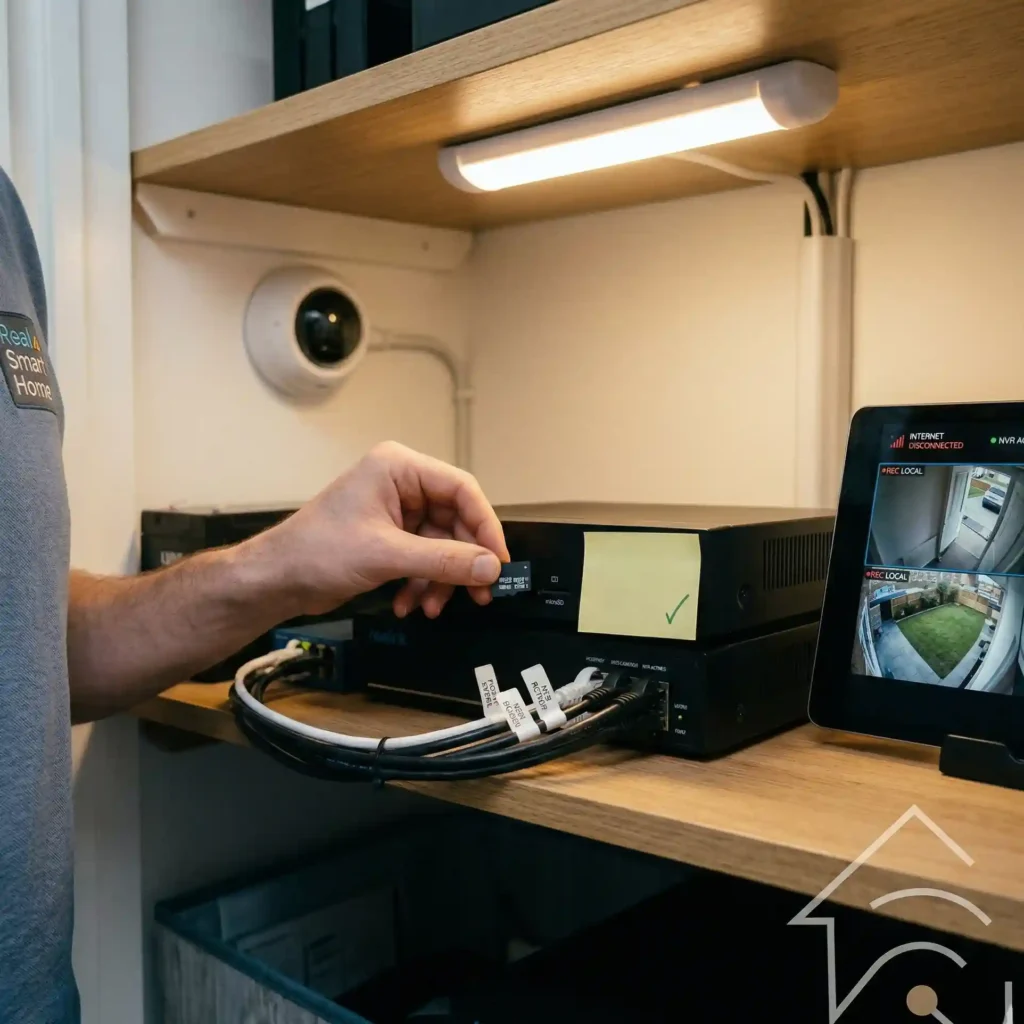
Local recording means your footage is stored on hardware at your property. That could be on a microSD card, a hub, a DVR, or more commonly an NVR CCTV system.
The main benefits are: lower ongoing costs, more direct control over your footage, recording that can often continue even if your internet goes down.
That is why terms like security cameras without subscription, CCTV without monthly fees, and no monthly fee CCTV are such strong buying points.
What is Cloud CCTV?
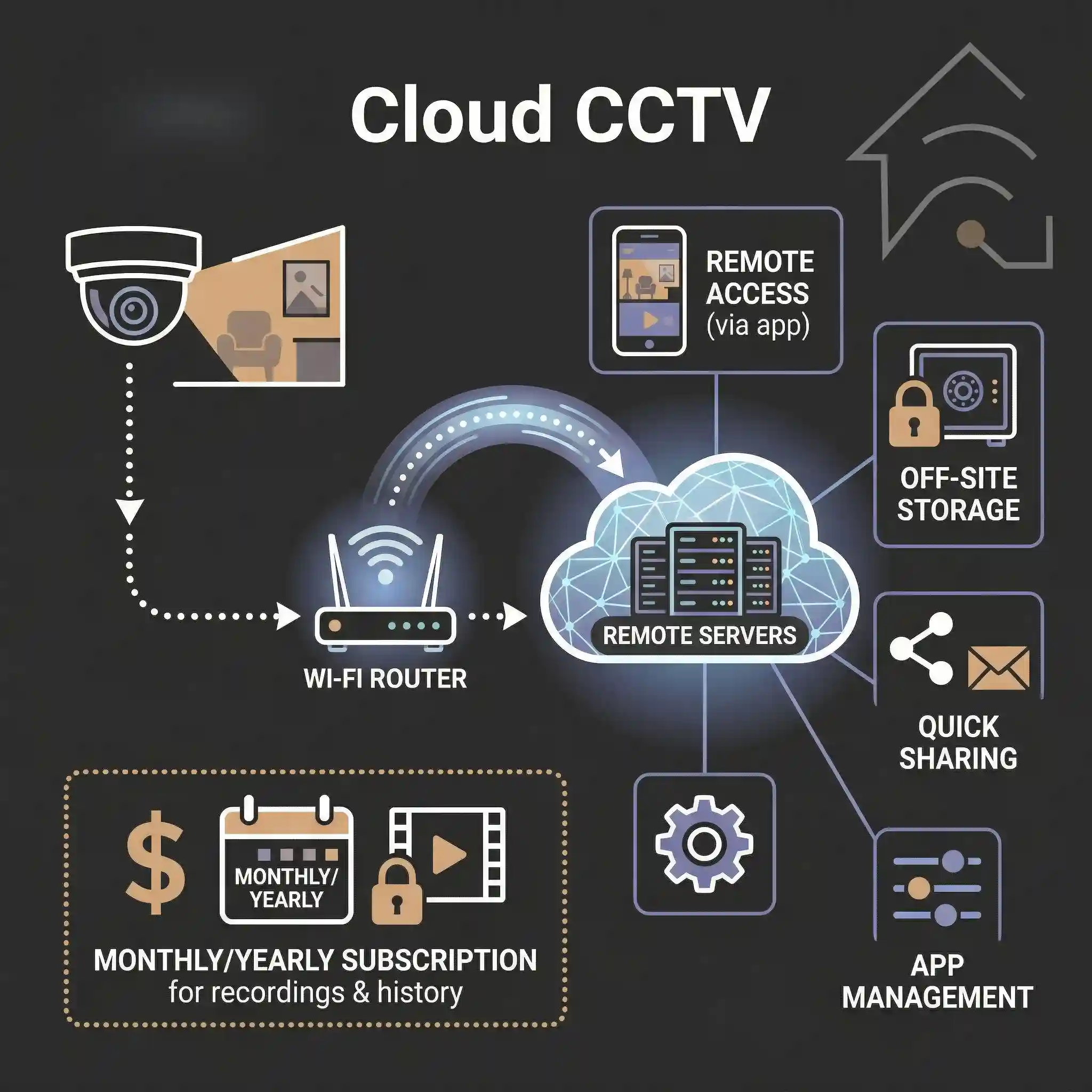
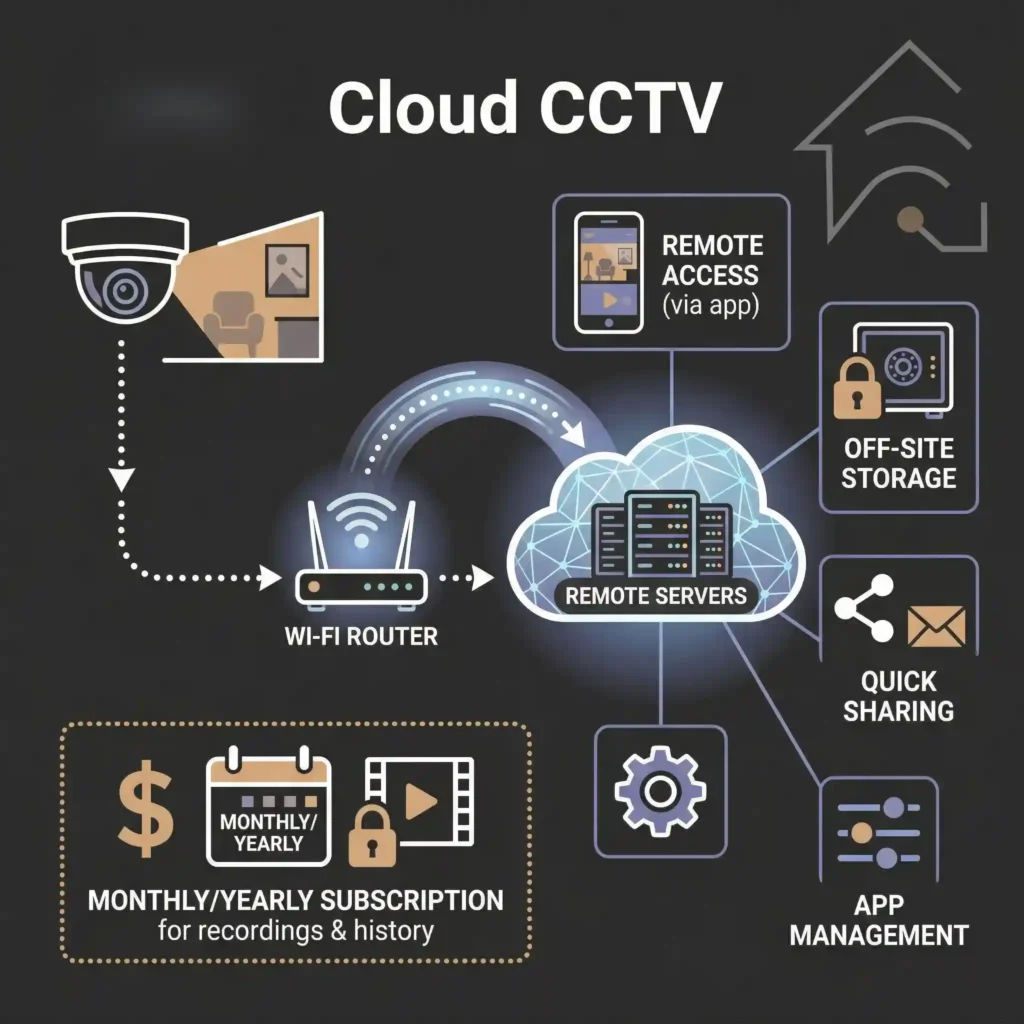
Cloud CCTV means video footage is uploaded over the internet and stored on remote servers.
The main appeal is convenience. Cloud systems usually make it easier to: access clips remotely, store footage off-site, share clips quickly, manage everything through an app.
The downside is that many cloud-first cameras rely on a monthly or yearly subscription, especially if you want saved recordings or longer video history.
As a Summary
Local recording
Footage is stored at the property, usually on an NVR, DVR, hub or SD card.
- Lower ongoing cost
- More direct control
- Can still record during internet issues
Cloud CCTV
Footage is uploaded and stored online, usually through an app-based subscription model.
- Off-site backup
- Easier remote access
- Quick clip sharing
Local Recording vs Cloud CCTV: Quick Comparison
| Feature | Local recording CCTV | Cloud CCTV |
|---|---|---|
| Ongoing cost | Usually lower | Usually monthly or annual fees |
| Internet outage recording | Often still records | Usually more affected |
| Off-site backup | No | Yes |
| Control over footage | More direct | More provider-dependent |
| Remote access | Possible, depends on system | Usually easier |
| Risk if recorder is stolen | Higher | Lower |
| Best for | Full-home systems, no monthly fees, long-term value | Simplicity, backup, key-entry cameras |
What We Recommend for UK Homes
Local recording is usually best for the main system
Based on what we see in real homes, local recording CCTV is normally the better long-term choice. A proper NVR CCTV system is especially strong for homes with multiple cameras, giving you better scalability, stronger value over time, continuous or longer recording options, and less dependence on subscriptions.
Cloud CCTV where convenience matters most
Cloud CCTV makes the most sense when you want off-site backup, simple app access, easier clip sharing, and a straightforward setup for one or two cameras. That is why cloud storage often works well for video doorbells or a front camera, even if the rest of the property records locally.
Hybrid is often the "Sweet Spot"
For many homes, the best answer is not purely local or purely cloud. A hybrid CCTV setup uses local recording for the main cameras, with cloud backup only where it adds real value. That gives you the cost and control benefits of local storage, without losing the convenience of cloud on important cameras.
The Mistake Many People Make
One thing we see quite often is people focusing only on the camera specs: 2K, 4K, night vision, app alerts, motion detection.
But the storage setup matters just as much.
A camera can look cheap upfront, then become expensive over time if key features depend on a paid cloud plan. On the other hand, a more solid local CCTV storage setup can work out much better over the long run, especially across a full property.
What About Internet Outages?
This is a big one.
With many local recording CCTV systems, cameras can keep recording to the recorder or device even if your internet drops. You may lose remote viewing temporarily, but the footage can still be saved.
With cloud CCTV, recording is usually more dependent on your connection. That does not always mean it completely stops, but cloud-first setups are generally more vulnerable to internet issues.
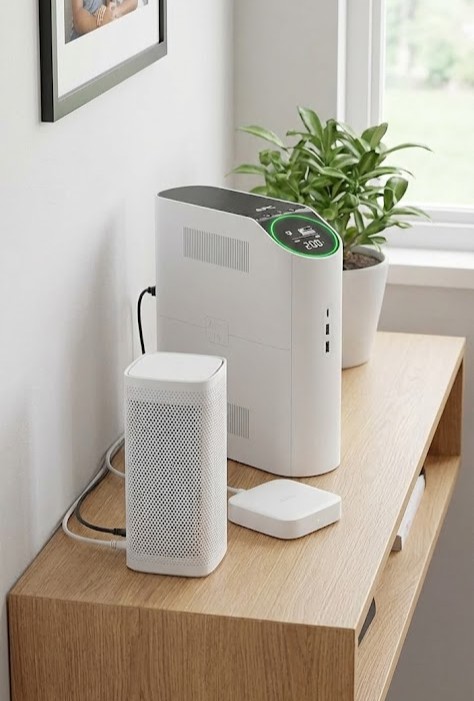
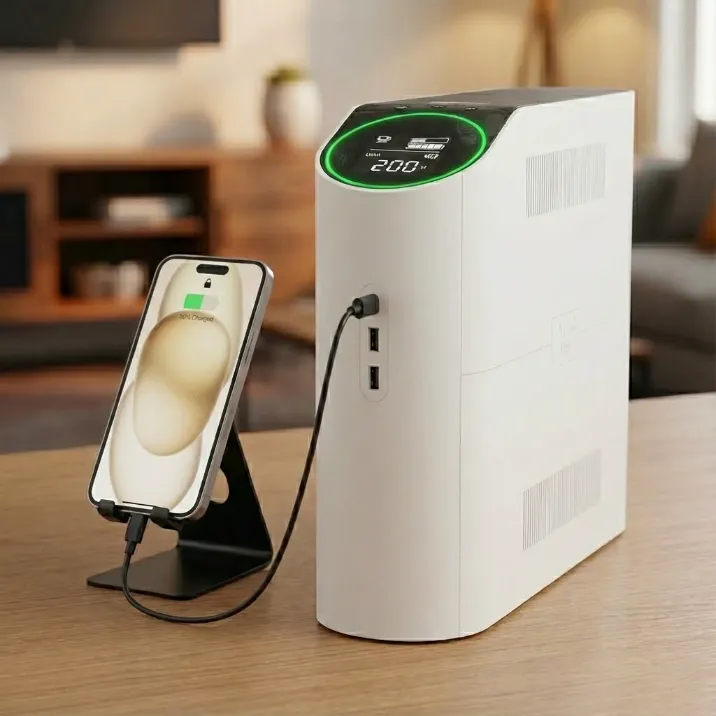
Here is where Our “Always On” system integration saves the day. It uses backup power to keep your hub, router and CCTV running during a power cut. We talked more about this integration in our Always On page here.
A Quick UK Privacy Note
If your home CCTV only captures your own property, things are usually simpler. But if your cameras also record parts of a public road, pavement, or a neighbour’s property, UK privacy rules may apply.
That does not mean you should avoid CCTV. It just means the system should be planned properly, aimed carefully, and set up with privacy in mind.
When we plan CCTV layouts, this is something we always keep in mind.
Our Honest Verdict
At The Real Smart Home, we usually recommend local recording first for most UK homes.
It usually offers better value, better control, and a more practical setup for multi-camera home security.
Cloud CCTV still has a place, especially for off-site backup and convenience.
But in many cases, the best solution is a hybrid approach: local recording for the main system, with cloud storage only where it genuinely improves the setup.
And if you want the next level of security, where the cameras can recognise people, animals, cars, and even read number plates and send you smart notifications, look at our Smart CCTV system here.
Your "Local vs Cloud CCTV" Questions, Answered
Is local recording better than cloud CCTV?
For most UK homes, Yes. Especially if you want multiple cameras, more control over your footage, and CCTV without monthly fees. Cloud CCTV is better when convenience and off-site backup matter more.
Can CCTV work without a subscription?
Yes. Many security cameras without subscription use local recording, such as microSD, hub storage, or an NVR CCTV system. Some brands still charge for cloud recording, but local storage can avoid that.
What happens if the internet goes down?
With many local recording CCTV systems, footage can still be saved even if your internet drops, although remote viewing may stop temporarily. Cloud CCTV is usually more dependent on your connection, so it is generally more vulnerable to internet issues.
Here is where our “Always On” system integration saves the day. It uses backup power to keep your hub, router and CCTV running during a power cut.
For more in-depth info, check our “What is an Uninterruptible Power Supply? (And Why Your Smart Home Needs One)” post.
What is best for a UK home: local recording, cloud, or hybrid?
For most homes, hybrid is often the best overall option. Use local recording CCTV for the main cameras, then add cloud storage only for key areas like the front door if you want off-site backup and easier clip access.